
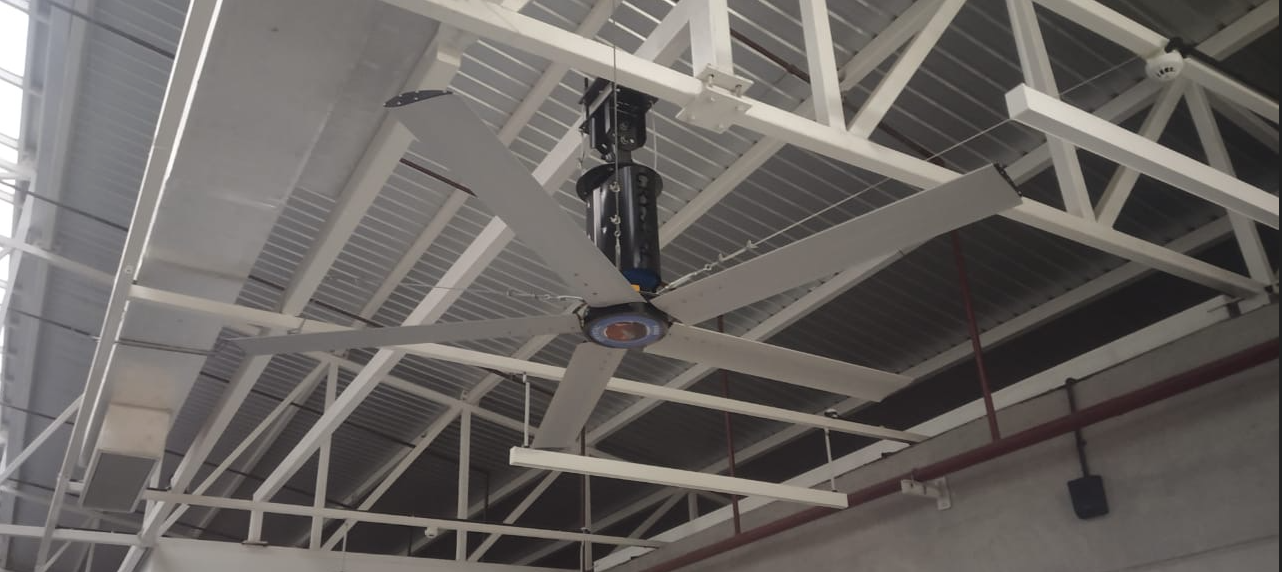
Innovative Airflow Solutions for a Sustainable Future
Custom Ventilation Solutions
We specialize in providing ventilation solutions that are designed to meet your unique air movement needs. From concept to completion, our expert team works closely with you to design and deliver systems that optimize airflow, enhance efficiency, and perfectly fit your space. Whether you require simple consultation or innovative design, we ensure that every solution is tailored to achieve your specific goals.
SERVICES AVAILABLE GLOBALLY
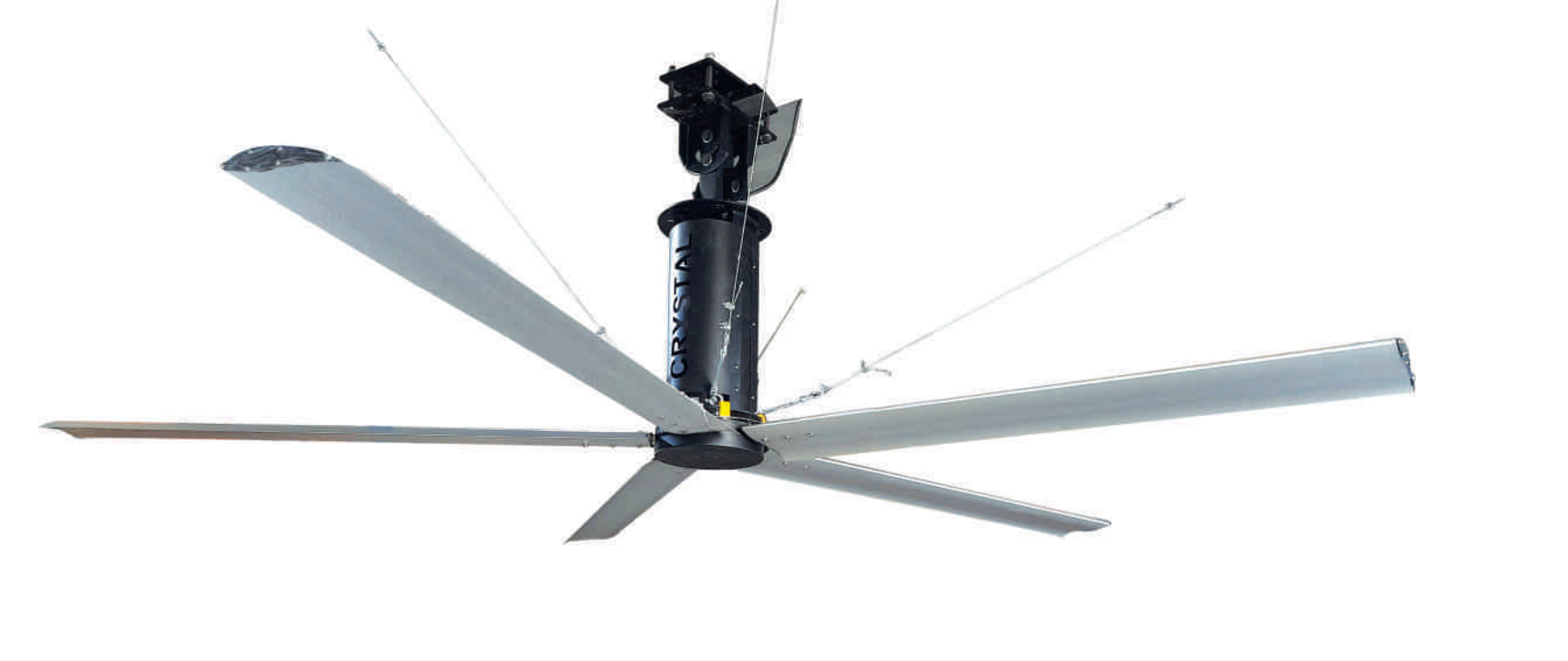
HVLS Ceiling Fan
Designed to efficiently circulate volumes of air at low speeds, ideal for cooling and distributing air in large spaces.
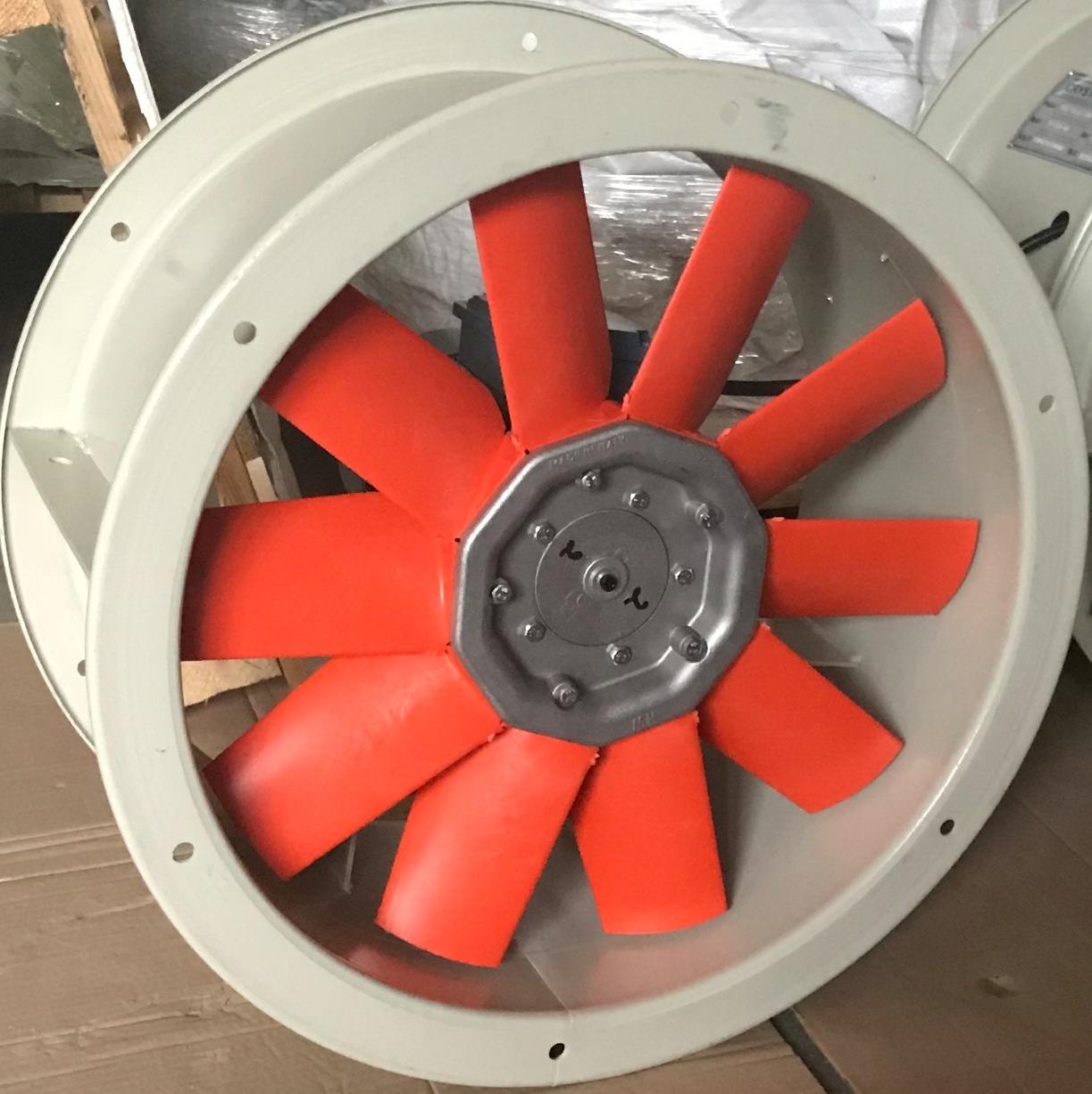
Axial Flow Fan
Give us your airflow and dimensional requirements and we will design your fan using precision airflow equipment and software.
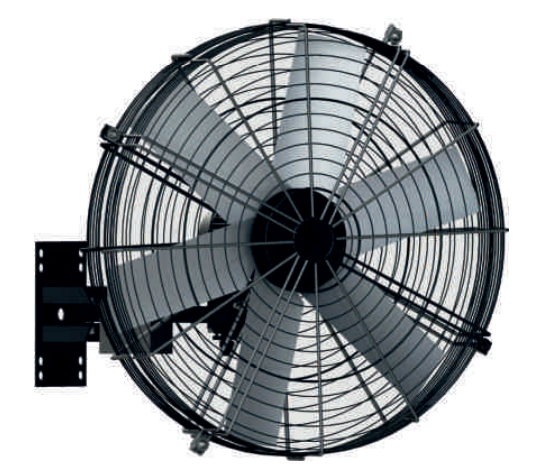
HVLS Wall Mounted Fan
Perfect for spaces with low or obstructed ceilings, providing efficient air circulation without taking up valuable floor space.
Trust
Every product is tracked with a unique serial number, ensuring full traceability and accountability from our factory to your hands.
Quality
Each product undergoes rigorous testing, with a test certificate included, ensuring you receive only the highest quality.
Tracking
Efficiently track your package every step of the way using tracking information for all global shipments, ensuring timely and secure delivery.
Craftsmanship Meets Innovation
Our products are crafted with care and precision by dedicated small businesses based in India. We take pride in our hands-on approach, ensuring that each product reflects the craftsmanship and quality synonymous with our brand. Our manufacturers combine traditional techniques with modern innovations to produce reliable and sustainable ventilation products that meet global standards. As a small business, we are deeply committed making a positive impact on both the local community and the environment by delivering energy efficient exceptional products at a budget-friendly price in a global marketplace.
Send us a message!
Have a question or need a custom ventilation solution? Our team of experts is here to help. Fill out the form with your details and requirements, and we’ll get back to you promptly with the information and support you need to achieve optimal airflow and efficiency for your project.
We look forward to assisting you!
Follow on Social